

The verdict is out. According to the latest 2025-2030 Dietary Guidelines for Americans, we’re going back to the old-school food pyramid but flipping it upside down. Now center stage belongs to protein, dairy, and healthy fats, alongside humble fruits and vegetables. Whole grains have been reduced to the tip of the pyramid, meaning they should be eaten the least. The consensus is split amongst health experts and government officials, leaving Americans perpetually in debate about what they should eat.
These guidelines are reminiscent of the 1920s nutrition fad that prioritized high-protein, high-fat diets. Like a fashion trend resurfacing, Americans are once again being encouraged to fill their shopping carts with dairy, meat, and eggs, while shamming carbohydrates like bread, grains, and rice. With so much history of cardiovascular disease from such diets, the new recommendations seem incompatible with futuristic health goals. They are also confusing. For example, the call to reduce saturated fat intake to less than 10% of calories contradicts the recommendations in the graphic that promote steak, butter, and full fat dairy. In another example, we’re told to minimize whole grains in our diet while also being encouraged to eat 2-4 servings per day.
There is merit, however, to the bold slogan “EAT REAL FOOD” that brands the new upside down pyramid. We have learned the hard way that processed foods have no place in our diets. The foods we consume should be as close to their natural state as possible. For example, eat fresh picked strawberries rather than juiced strawberry concentrate mixed with gelatin and molded into a gummy that looks and tastes like a strawberry. Eat whole chicken on the bone as opposed to white chicken meat injected with sodium, hydrolyzed, dredged, fried, and shaped into bite sized nuggets. I would also agree with the notion of eating full fat dairy for the fact that it’s less processed. Foods that have been stripped of their natural fats have been shown to have detrimental effects on our blood sugar. But equally detrimental is the effect of diets high in saturated fats on our blood cholesterol. So what are we supposed to eat?
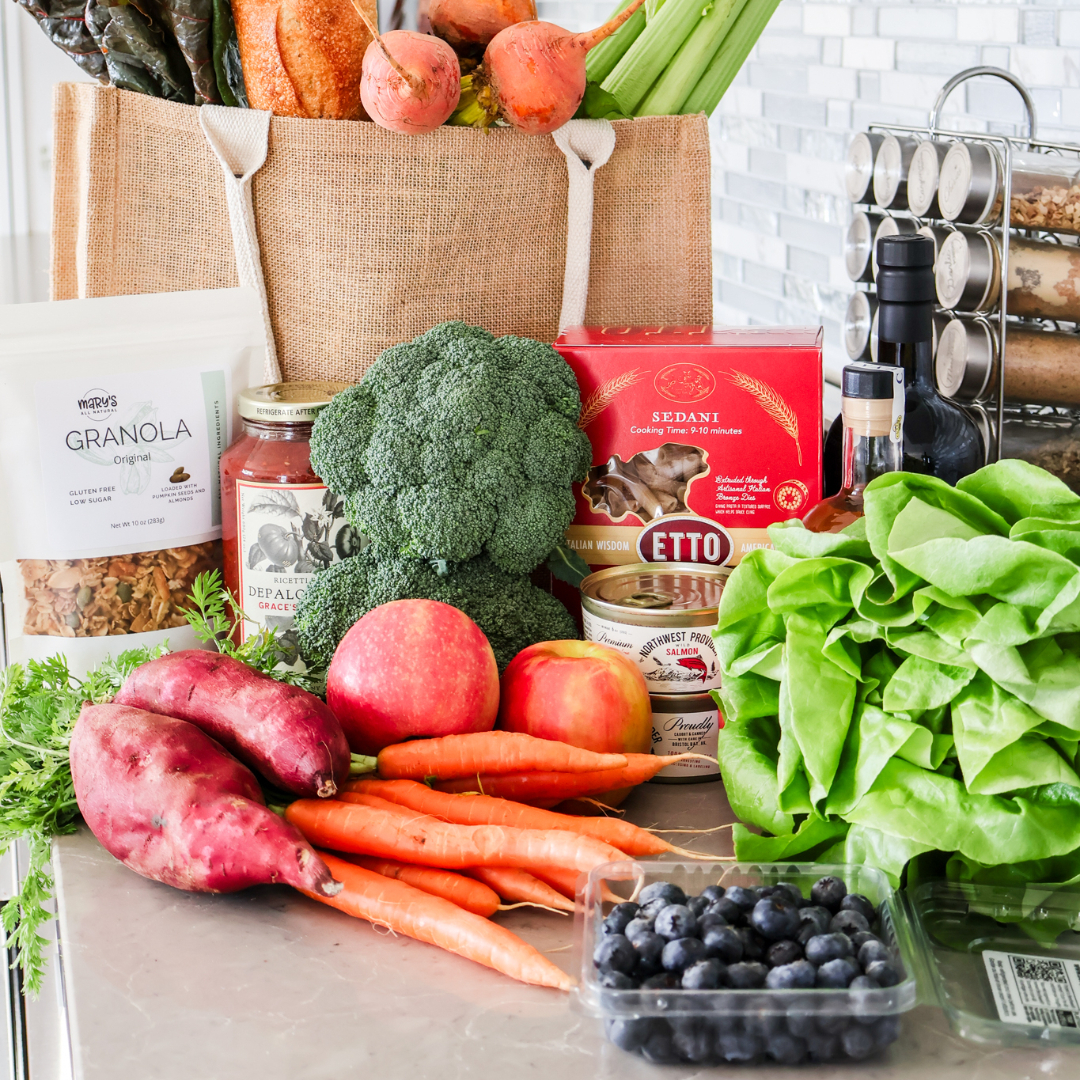
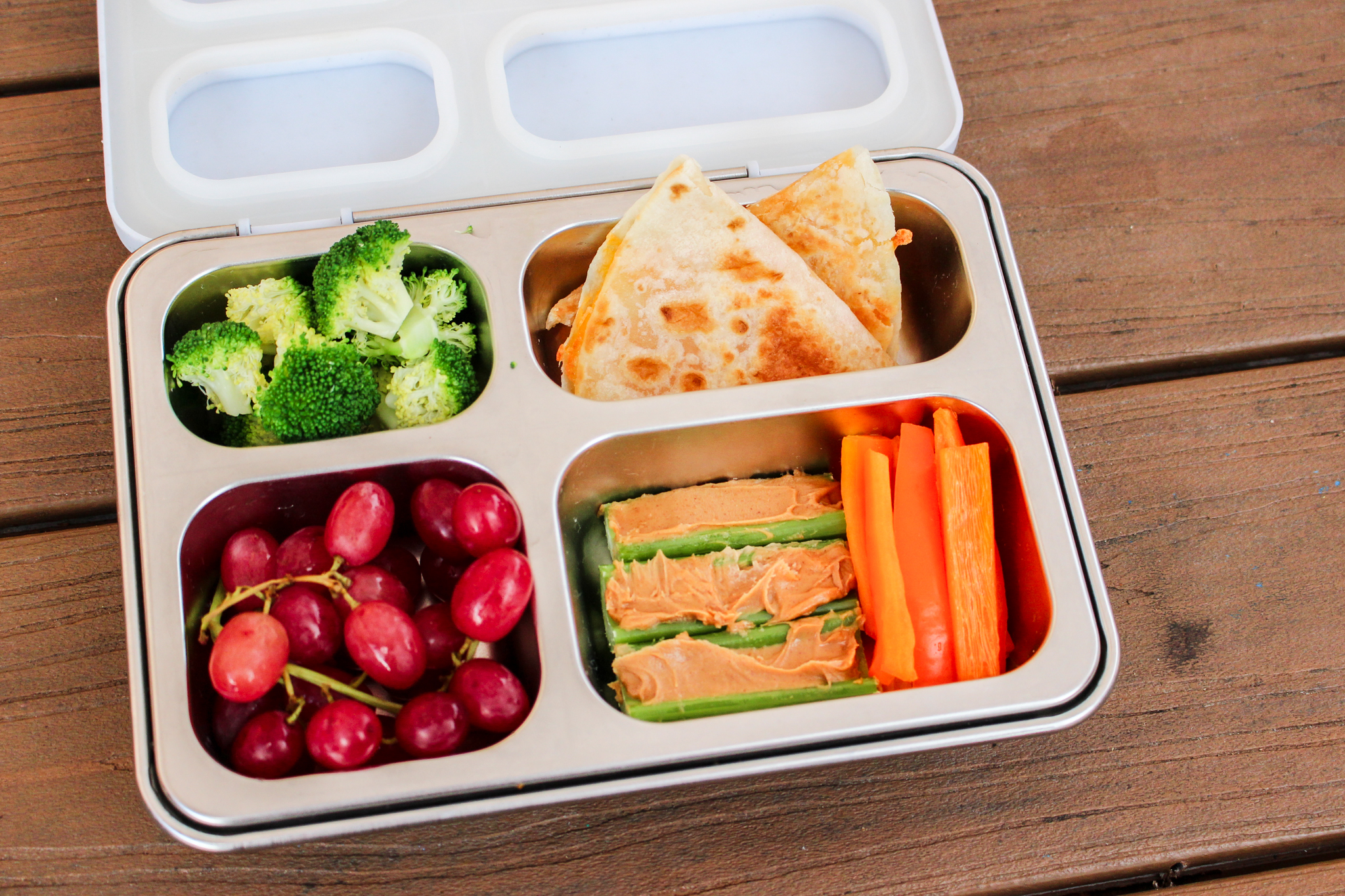
Humble fruits and vegetables will never get the hype they deserve, yet they should comprise the majority of our diet. They will never be as profitable as the food-like substances crafted in labs and factories. Nor can they compete with the shelf life of foods that take up the center aisles of the grocery store. They will, however, protect you from the chronic diseases that plague our nation. The movement towards whole foods and fresh produce is encouraging, but don’t get sold on the marketing hype. Just eat real food!