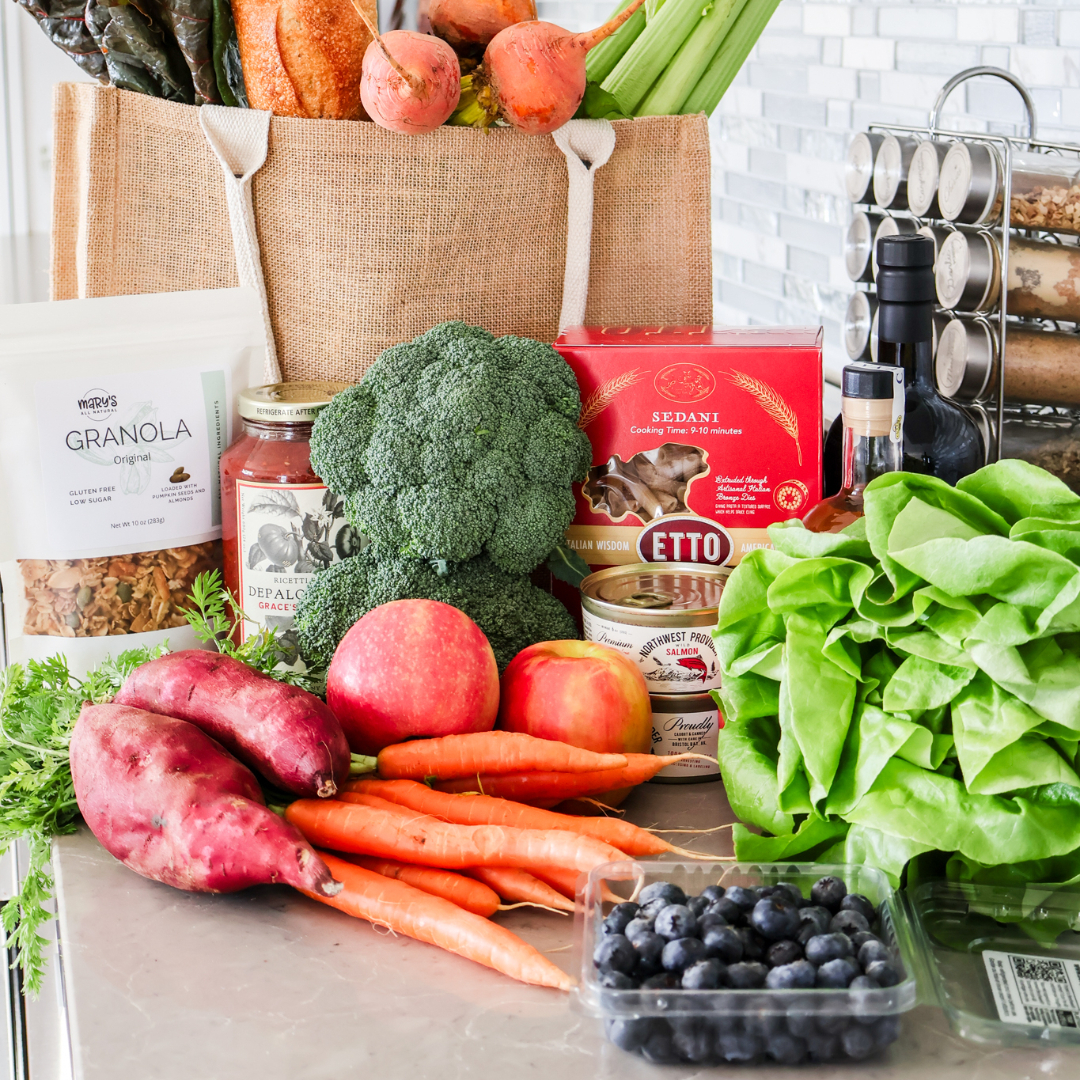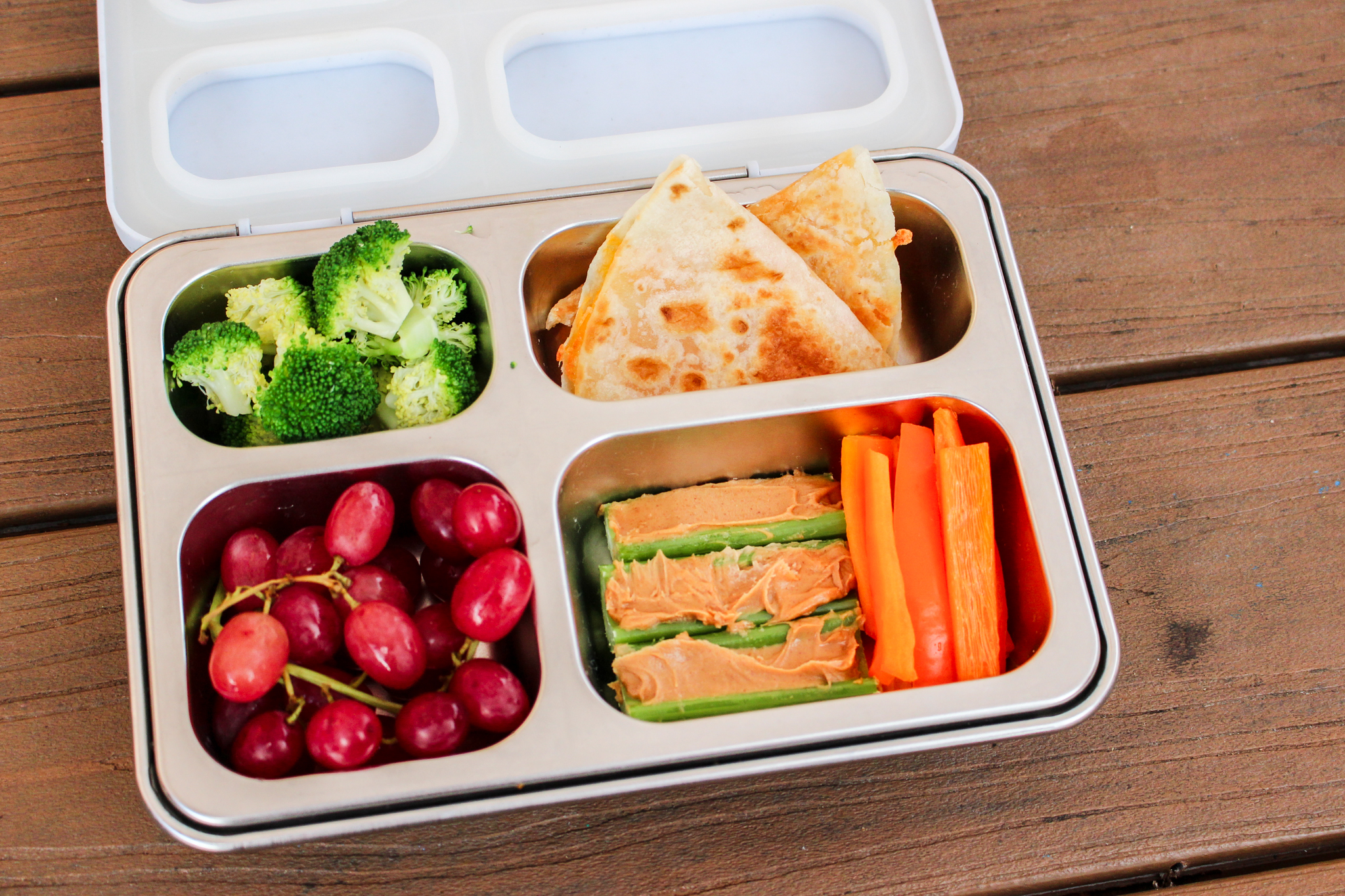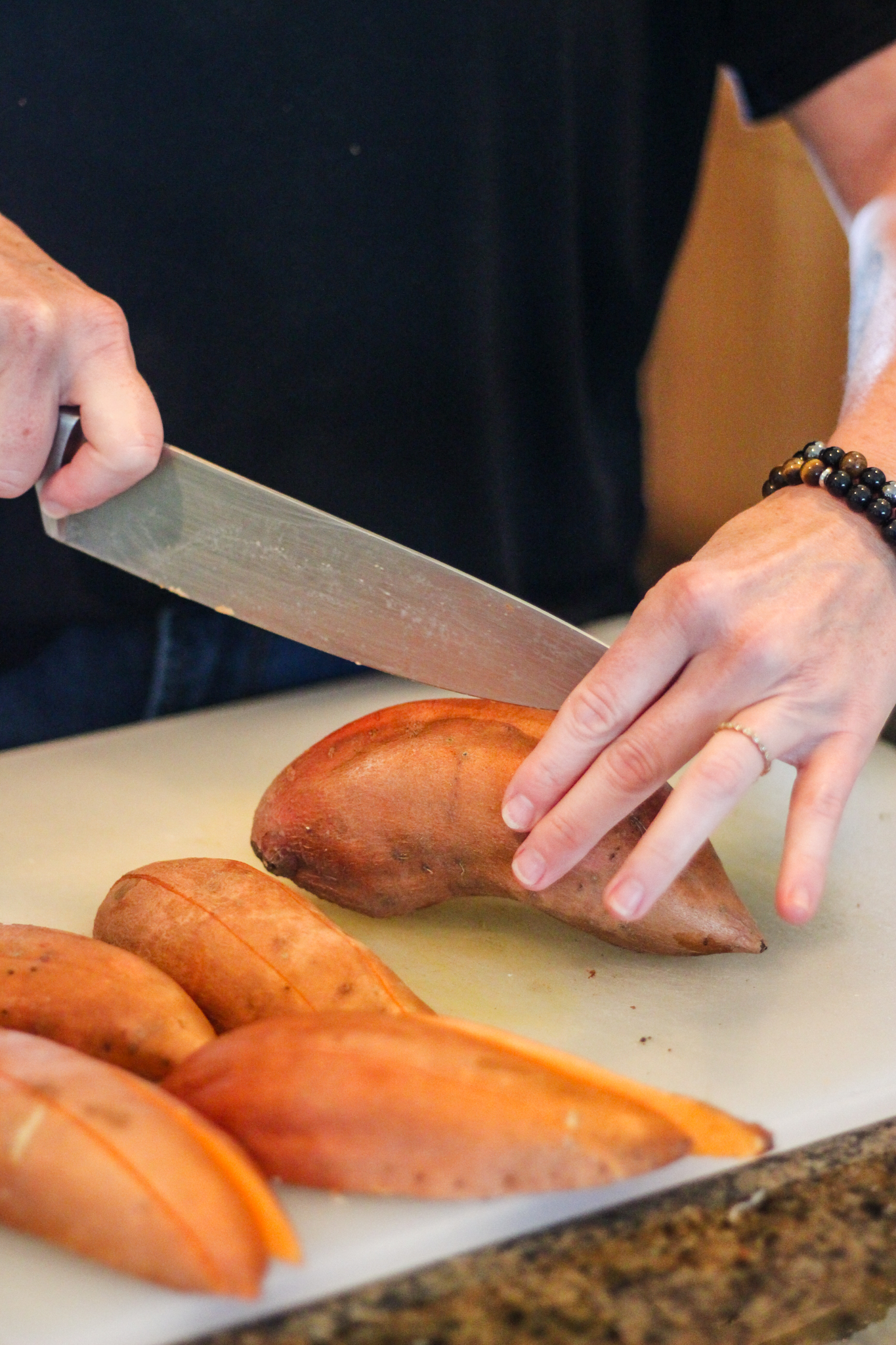



Produce in our Talley Boxes doesn’t always arrive in perfect condition in our kitchens. When it’s harvested and packed in the fields or packing houses, and then placed in your box in our cooler, it’s been checked and double-checked. But in transit to your home, it can become damaged. The question is: what can we do with the produce that isn’t perfect or isn’t the flavor we desire, but is still safe and nutritious?
Leafy greens in our boxes are the quickest to wilt and grow limp. The best way to bring them back to life is to trim the stem ends or butts, then place them in a cup or bowl of water for a few hours. Cilantro and parsley will last for weeks in your fridge if you store them unwashed in a covered container. Wash them just before using. Lettuce leaves may be washed, spun dry, and stored, ready for use, in a covered container in your fridge, or stored whole, unwashed, in a reusable plastic bag or container.
Fruit that arrives damaged is best used in smoothies. Too much citrus? Peel, cut, and freeze. Bananas getting too ripe? Peel and freeze. Too many berries? Wash, lay out on a sheet pan, and when frozen, place in a freezer bag. Kiwi can be washed, halved, and placed in a smoothie, skin and all. Check out Andrea’s Morning Smoothie for a healthy, easy way to start your day, using frozen or fresh fruit.
One way to use all your vegetables is to make a healthy soup or stock. To make 1 quart of stock, use 1 cup of sweet veggies like carrots, parsnips, gold beets, fennel, and pea pods, plus 1 cup of savory veggies like onions, leek tops, mushroom stems, spinach, chard, and squash peels. Cruciferous vegetables like broccoli and cauliflower are not recommended for stock because they contribute bitterness, but these cabbage relatives can be used to make actual soup.
How you store your produce will help determine how long it lasts. Please visit our website for tried-and-true storage tips for a wide range of fruits and vegetables.