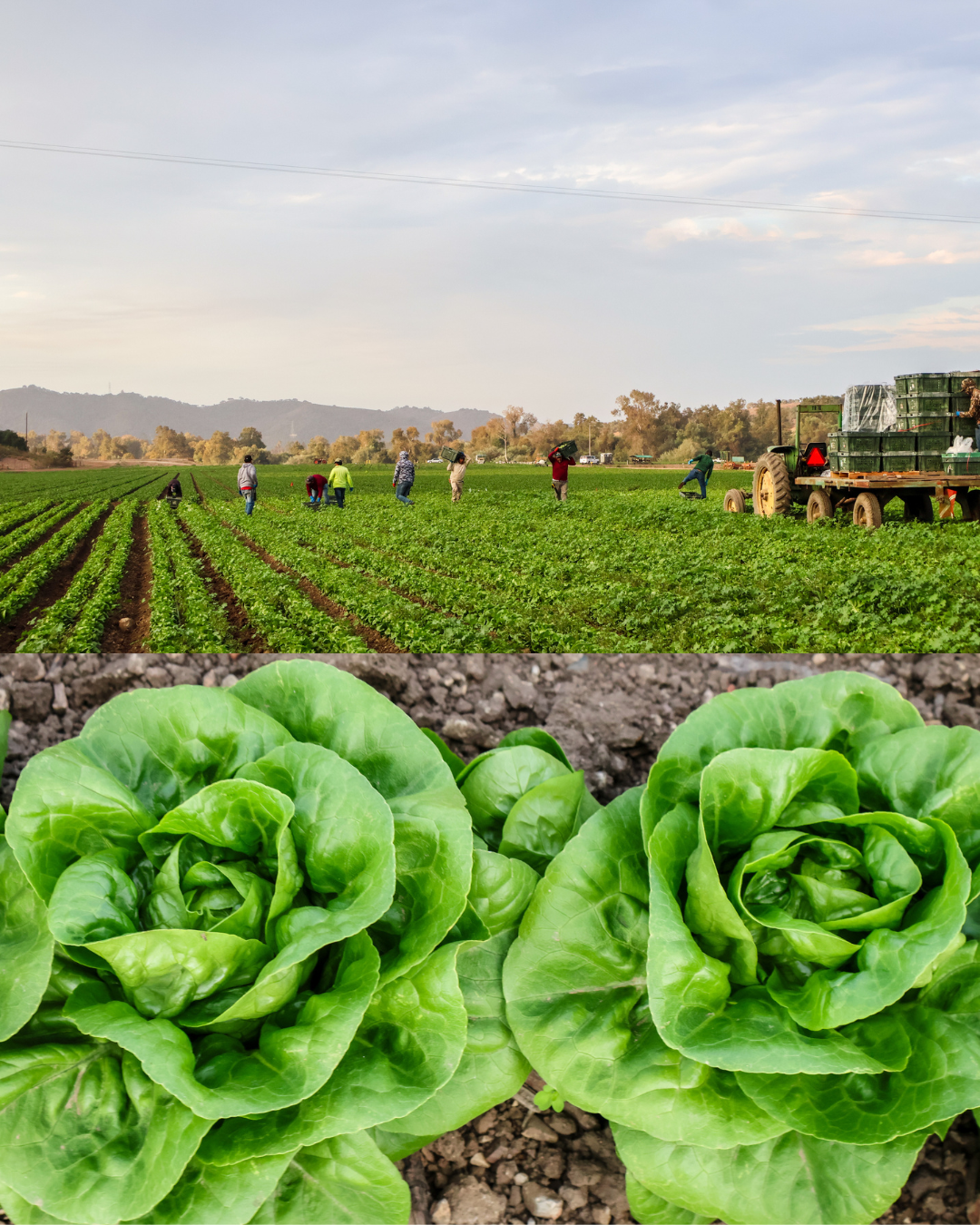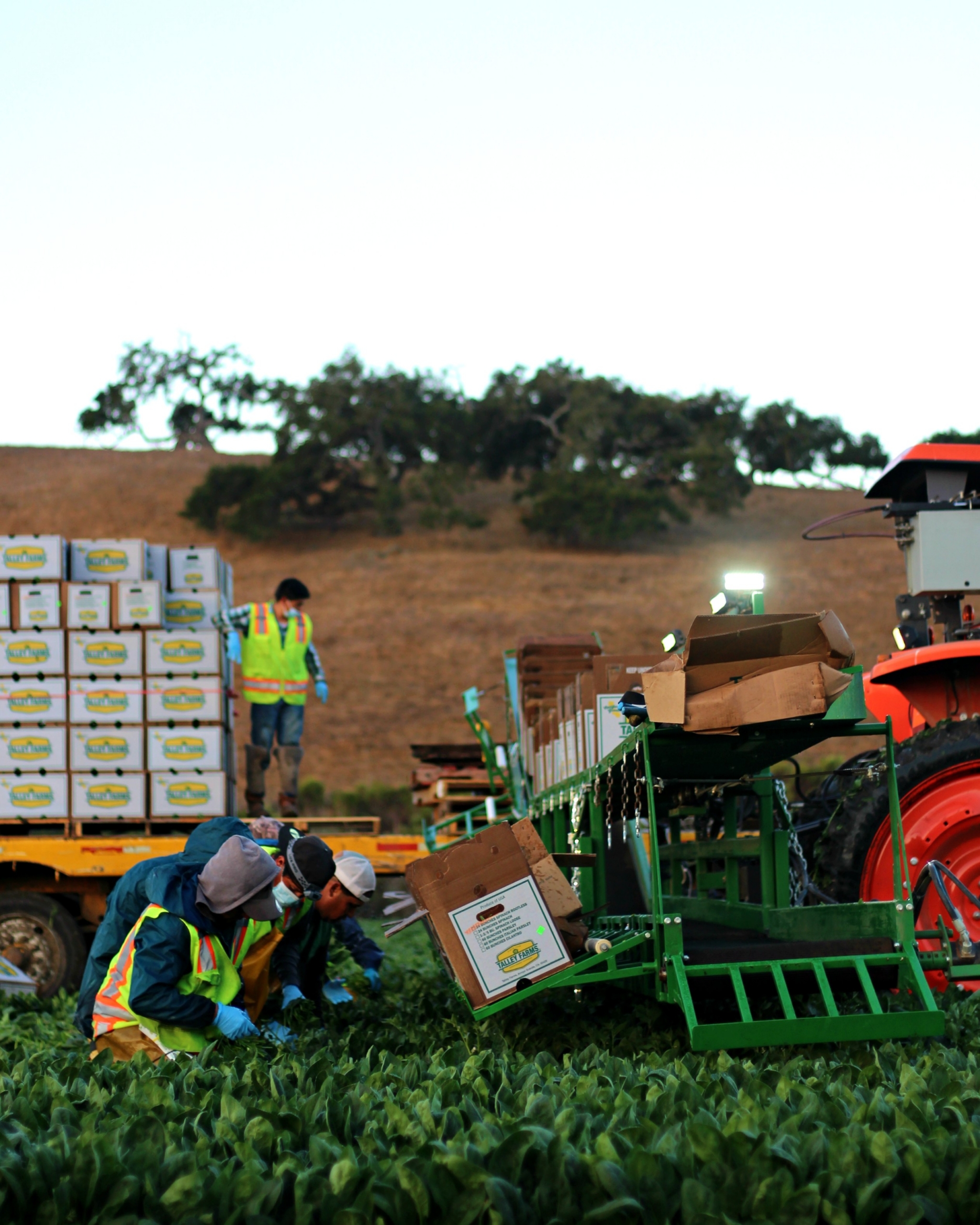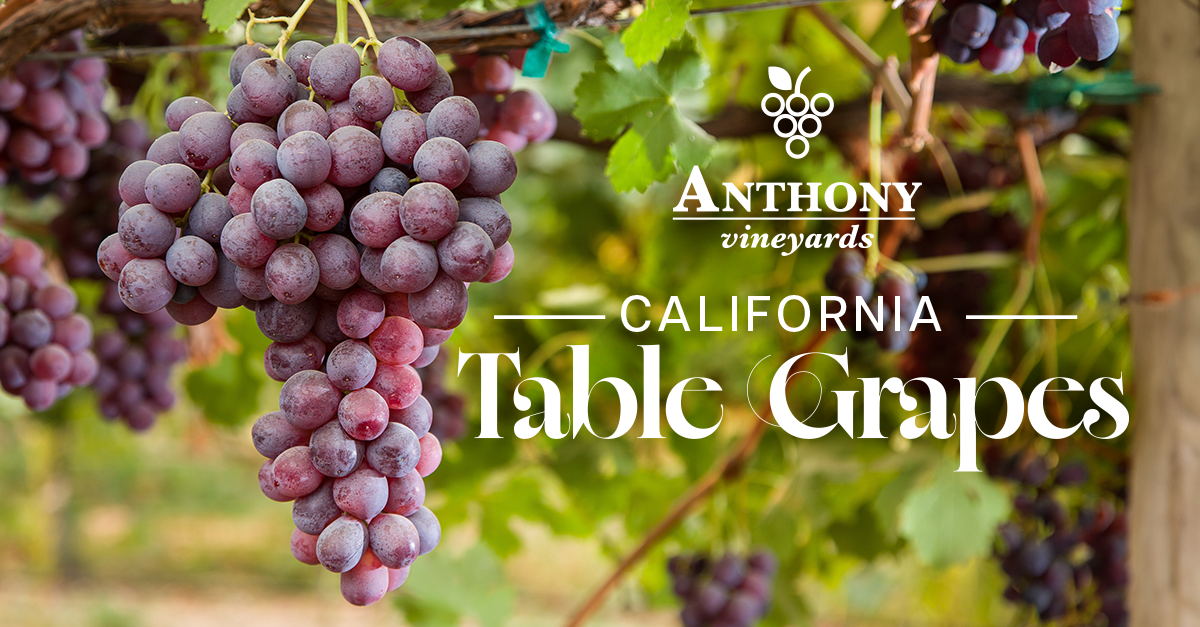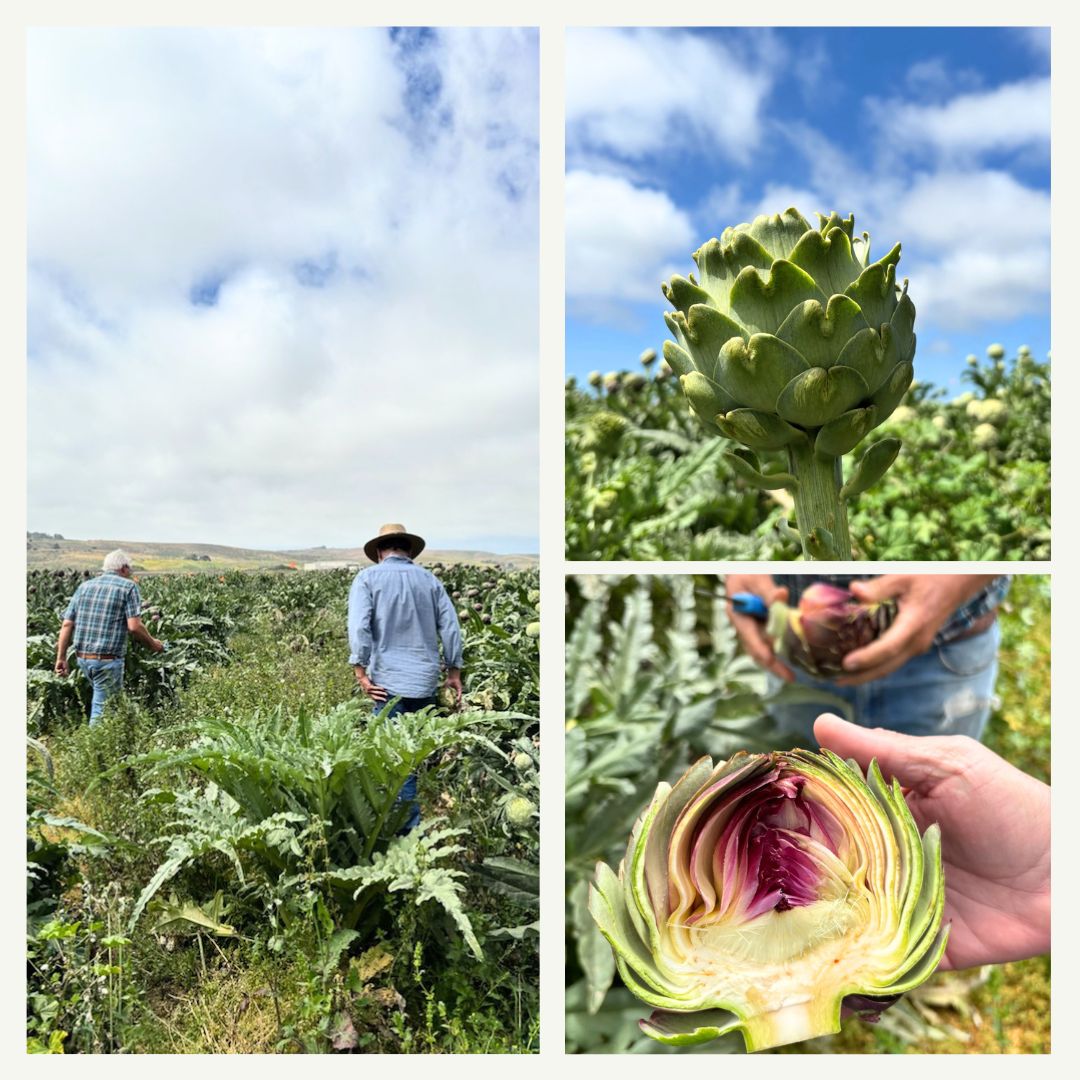

California is known as a national leader in agriculture, producing more than half of the nation’s fruits, vegetables, and nuts, while also leading the country in wine grape production. These industries provide valuable jobs, revenue, and resources to our state, but they also come with the ongoing challenge of protecting our crops from invasive pests that threaten our essential agricultural systems.
Most recently, several Costco locations in Northern California unknowingly sold grapevines that were found to contain the invasive glassy-winged sharpshooter (GWSS). This pest is especially concerning to grape growers because it feeds on grapevines and can spread a harmful bacterium that causes Pierce’s disease. Pierce’s disease can severely damage and even kill grapevines, particularly in warmer, temperate climates like California. How did these plants make it into stores? The grapevines originated from a nursery in Fresno County that failed to properly inspect the plants for this pest before they were distributed. The nursery did not meet requirements outlined in its compliance agreement, including notifying county agricultural officials of incoming shipments and providing instructions for recipients to contact local agricultural officials before distributing the plants. In partnership with Costco, agricultural officials have been working to identify customers who purchased the affected plants in an effort to prevent the further spread of this invasive pest.
Another invasive pest that remains a constant concern for California growers, including here at Talley Farms, is the Diamondback Moth. This pest prefers brassica crops, including cabbage, making it especially important for us as we grow premium Napa cabbage that is distributed across the country through our Sales Department. Diamondback moths are particularly challenging in California’s coastal growing regions because mild winters allow populations to survive year-round rather than being eliminated by hard freezes. The larvae can cause both visible and internal damage to cabbage plants, including feeding holes, reduced plant growth, and quality concerns at harvest.
As growers of both vegetables and wine grapes, we understand the importance of staying informed, adapting, and continuing to educate ourselves about invasive species. After nearly 80 years of farming, one thing remains certain: agriculture requires resilience, innovation, and a commitment to protecting the crops that feed our communities!