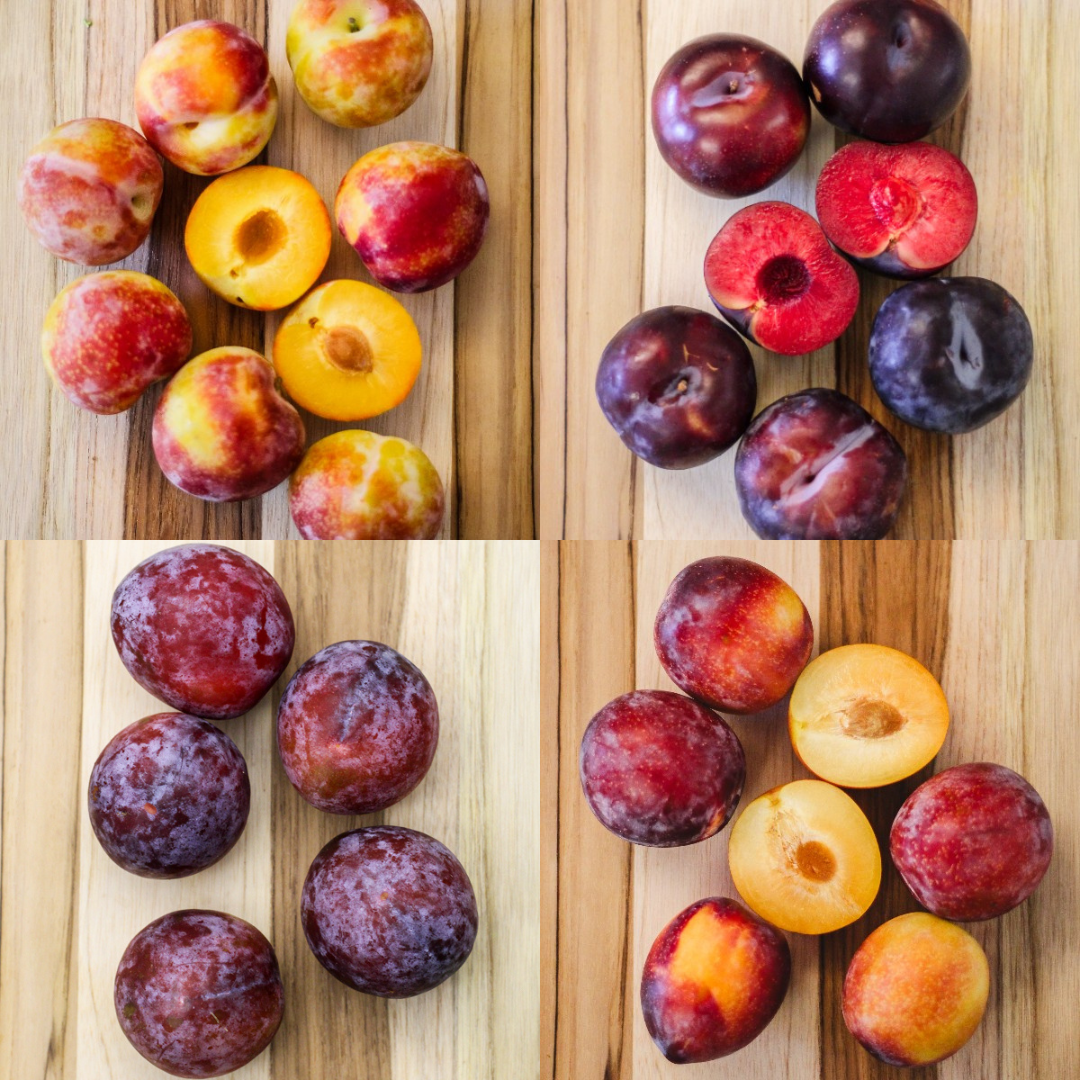



One of the best parts of summer is stone fruit season! Whether your box includes peaches, nectarines, or plumcots, you’re enjoying some of the sweetest flavors the season has to offer. But the key to getting the most out of these fruits is knowing how to ripen them properly.
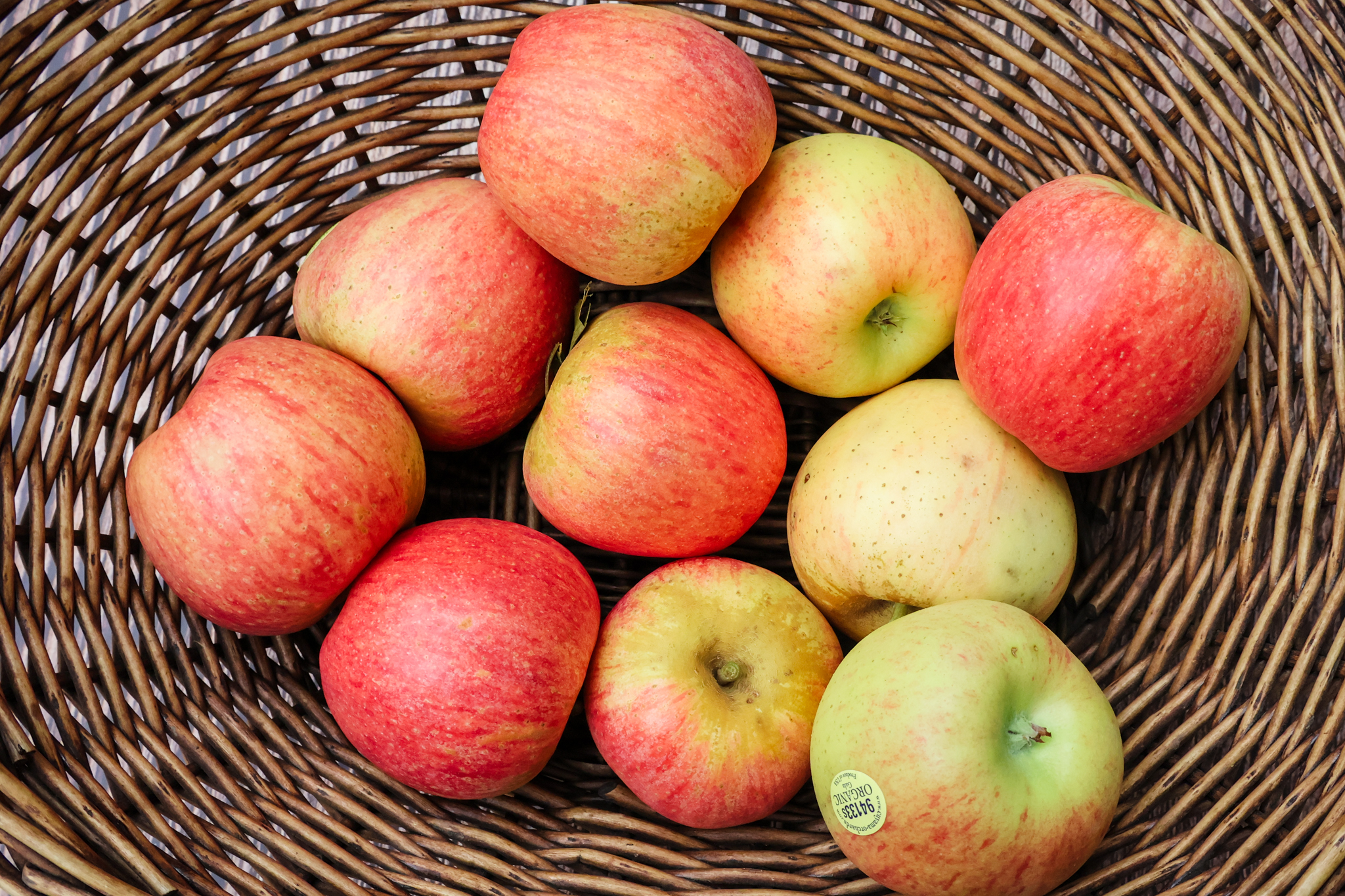
Peaches and nectarines are considered climacteric fruits, which means they continue to ripen after they’re picked by naturally releasing ethylene gas. While they’re perfectly edible when firm, their sweetest flavor and juiciest texture develop once they have a slight give when gently squeezed. To ripen your stone fruit, leave it on the counter at room temperature, away from direct sunlight and heat. Check the fruit daily, as it can ripen surprisingly quickly. If you have several pieces, it’s best to ripen only a few at a time so you can better control the process and enjoy each one at its peak. One common mistake is storing stone fruit next to other ethylene-producing fruits like apples or avocados. Because all of these fruits release ethylene gas, they can speed up one another’s ripening, causing your peaches or nectarines to become overripe much faster than expected.
Once your stone fruit reaches your preferred ripeness, transfer it to the refrigerator to slow the ripening process. Store it in the crisper drawer rather than the coldest areas of the refrigerator, where temperatures can sometimes affect the fruit’s texture. And if your fruit becomes a little too soft, don’t toss it! Overripe stone fruit is perfect for smoothies, crisps, cobblers, jams, or baking into muffins and quick breads. It’s a delicious way to reduce food waste while making the most of summer’s bounty.