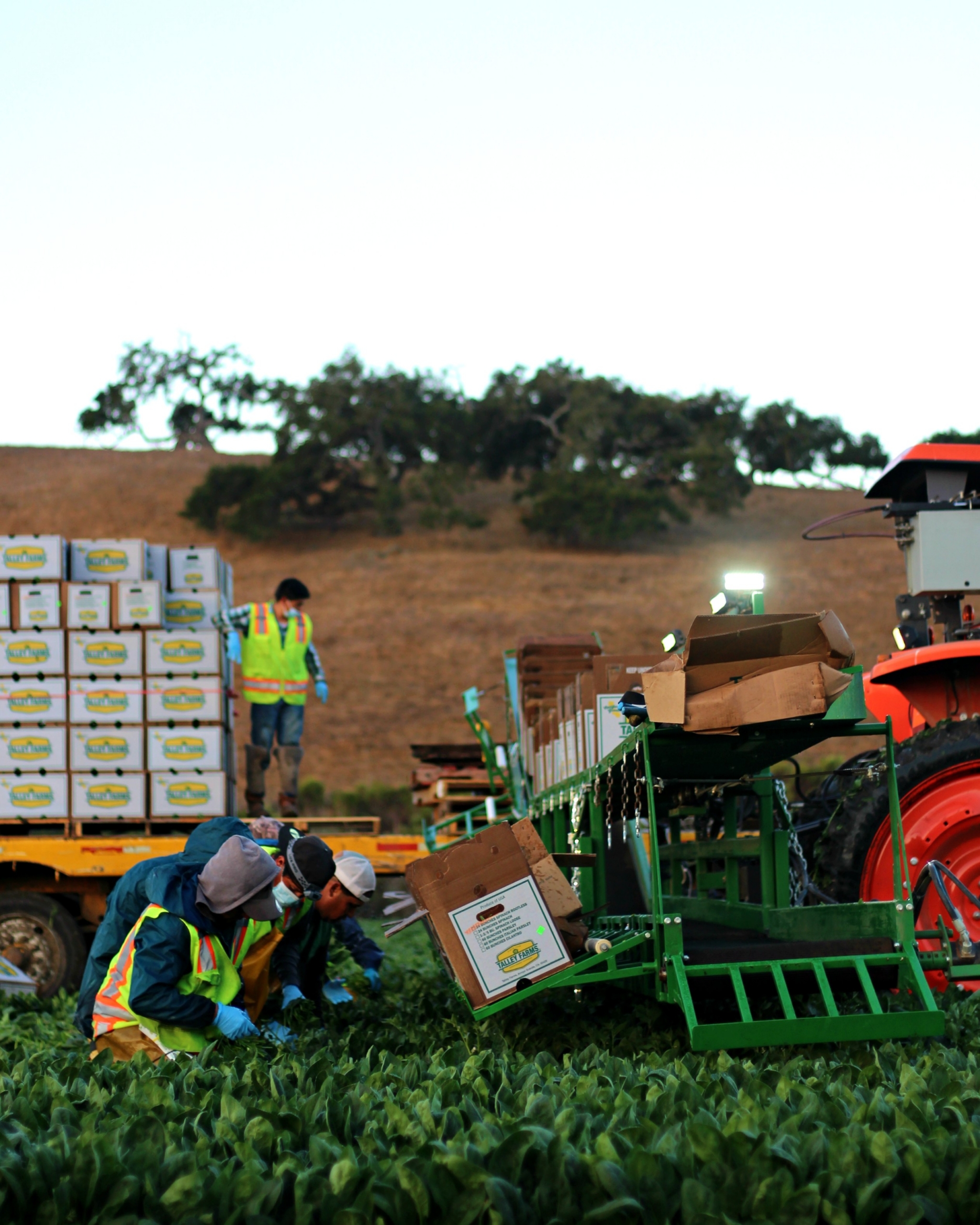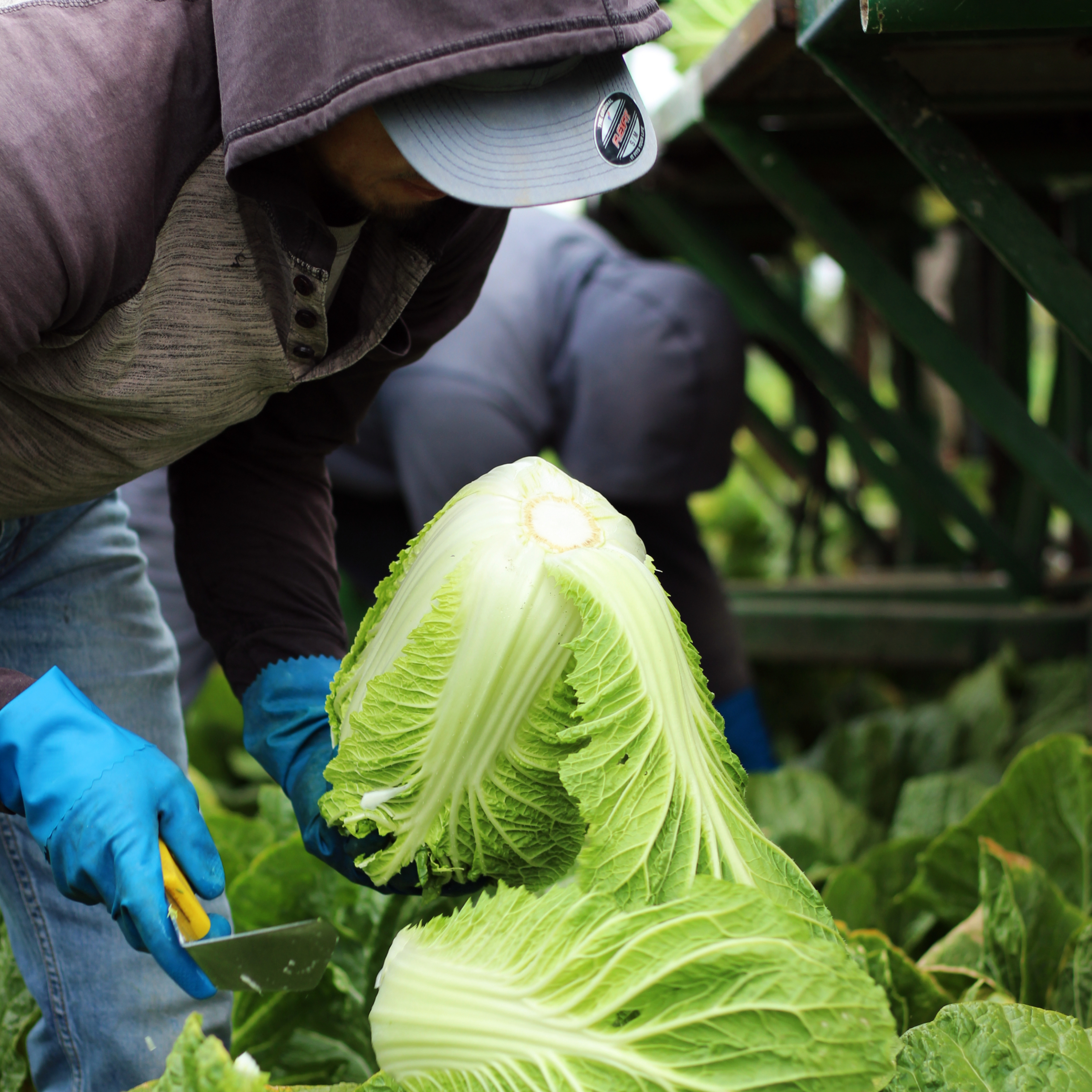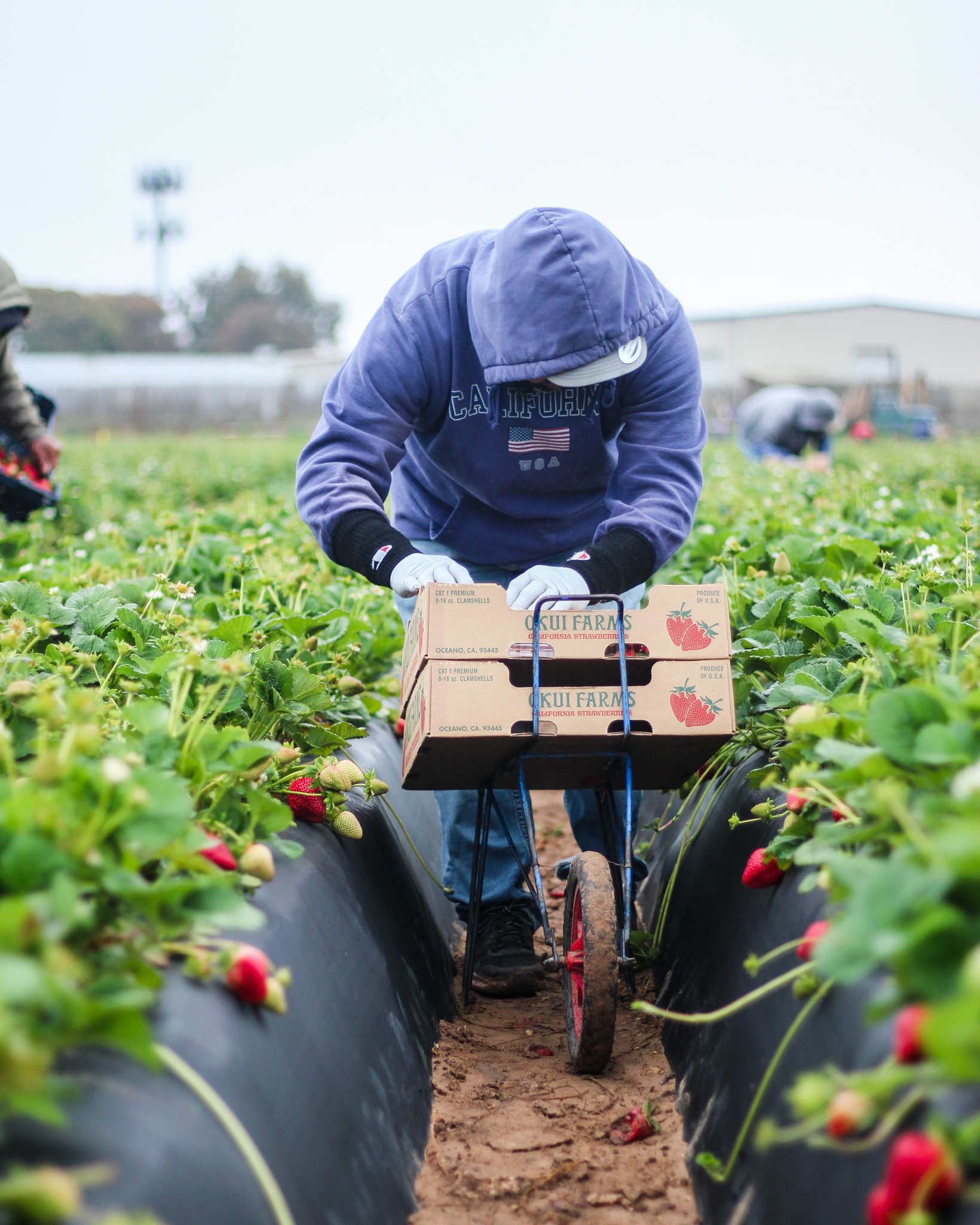

Though California lettuce was not implicated in the Cyclospora outbreak that made headlines this summer, California lettuce growers still felt much of the economic impact as consumers across the country began avoiding lettuce altogether. California produces nearly three-quarters of the nation’s lettuce, with a significant portion grown right here on the Central Coast, stretching from Salinas to Santa Maria.
According to the U.S. Bureau of Labor Statistics, lettuce prices declined 16.4%, marking the largest month-over-month drop on record. As demand declined, some California lettuce growers were forced to destroy crops that were approaching harvest during the peak summer season. Ironically, California recorded fewer Cyclospora cases in 2026 than it did in 2025. A majority of the cases reported by the media were concentrated in Midwestern states, such as Michigan and Ohio.
The media coverage surrounding Cyclospora created understandable concern around eating fresh produce, particularly lettuce. However, broad warnings to avoid produce altogether can have serious consequences on both farmers and your health! In a world where highly processed foods are so readily available, shouldn’t we be encouraging people to eat fresh fruits and vegetables now more than ever?
One of the challenges with foodborne illness reporting is that headlines often identify the type of produce involved without providing much context about where that produce was grown, who produced it, or how it reached consumers. Without that additional information, it’s easy for consumers to assume that all lettuce, or even all fresh produce, is affected.
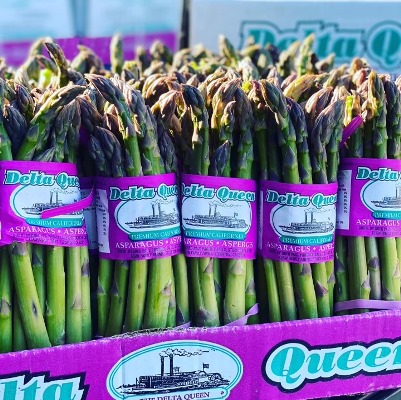
There are a couple of important takeaways from this summer’s outbreak. First, it speaks volumes about the importance of knowing where your food comes from. Pre-packed and bulk produce at the grocery store may only list a country of origin, such as “Produce of USA” or “Produce of Mexico,” but that information can be very broad. Here at Talley Farms, we believe in giving our customers as much information as possible about where their produce comes from, including the specific growers or companies we source from.
Second, do your research! It’s easy to read a headline or see an alarming Instagram reel and immediately assume the worst, but there is often more to the story. Take a moment to look into the details and understand exactly what products, regions, and suppliers are involved. And if you’re ever unsure about something you’ve heard, give us a call or send us an email! We’re closely connected to the produce industry and often have additional context about food safety concerns that may not make it into broader media coverage. We’re always happy to help answer your questions and give you a better understanding of where your food comes from.